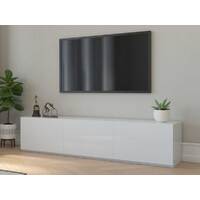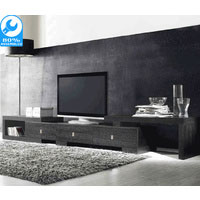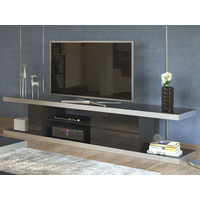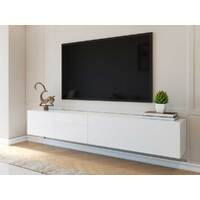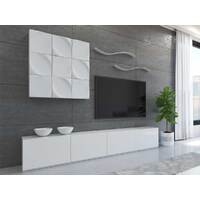


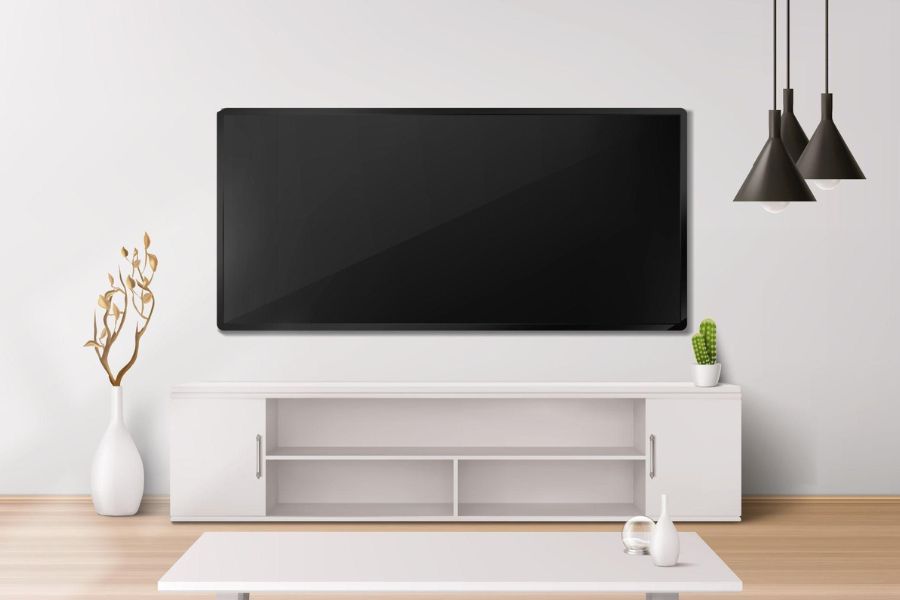
Floating TV units have quickly become a favourite in modern homes. Their clean lines, wall-mounted design, and space-saving profile create a lighter, more open living room while keeping everyday clutter tucked away. The challenge, however, is getting the size right. A unit that’s too small can look awkward and unbalanced, while one that’s too large can overwhelm the space.
This guide breaks down practical width recommendations and simple sizing tips to help you choose the right floating TV unit for 55”, 65”, and 75” screens.
Why Floating TV Unit Size Matters More Than You Think
With floating entertainment units, proportions matter more than most people realise. Because the unit is wall-mounted, it becomes a strong visual feature rather than something that blends into the floor.
First, balance. A TV that’s wider than the cabinet underneath can look top-heavy and unfinished. Choosing a unit that extends beyond the screen helps frame it properly and creates a more intentional look.
Second, stability. Even though floating units don’t sit on the ground, a proper width distributes weight better and gives you space to safely support consoles, soundbars, and accessories.
Storage is another factor. Modern living rooms often include streaming devices, gaming consoles, remotes, and cables. A slightly wider unit gives you room to organise everything neatly without crowding.
Most importantly, the right size helps the entire room feel considered and proportional. With reliable floating design options available at our online store, it’s easier than ever to find something that looks streamlined without sacrificing practicality.
General Rule of Thumb for Floating TV Unit Sizing
If you’re unsure where to start, follow a simple formula: your TV unit should be wider than your TV by about 15–30 cm on each side.
This extra space creates breathing room around the screen and improves the overall look instantly.
Keep these quick guidelines in mind:
- Add extra width beyond the TV edges
- Allow space for speakers or consoles
- Check how much wall space you actually have
- Avoid pushing the unit too close to the side walls
Think of the cabinet as the foundation of your TV setup. Slightly wider almost always looks better than exactly the same width.
Recommended Floating Unit Widths by TV Size
For a 55-inch TV
A 55” television typically measures around 122–125 cm wide. To keep the proportions balanced, a floating unit measuring 140–180 cm works well.
This size is ideal for apartments, bedrooms, or compact living rooms where wall space is limited. Slimline or minimalist floating units help maintain an open feel while still offering enough storage for everyday essentials.
Clean finishes and simple drawers prevent the wall from looking too busy, keeping everything feeling light and modern.
For a 65-inch TV
A 65” screen usually spans around 145–150 cm wide. For this popular mid-size option, a unit between 180–220 cm creates the right visual scale.
This is often the sweet spot for family homes. You get enough width for extra storage without the unit dominating the room. There’s room for styling pieces, books or a soundbar while still maintaining a streamlined floating effect.
Longer designs can make the setup feel more premium and polished, especially in open-plan living areas where the TV wall is a focal point.
For a 75-inch TV
A 75” TV can measure roughly 167–170 cm wide, so it needs a stronger base to match its presence. Floating units around 220–260 cm or more help anchor the screen properly.
These larger sizes work best in spacious living rooms or open layouts where the wall can handle extra length. Wider designs help the TV feel less oversized and provide generous storage for media equipment.
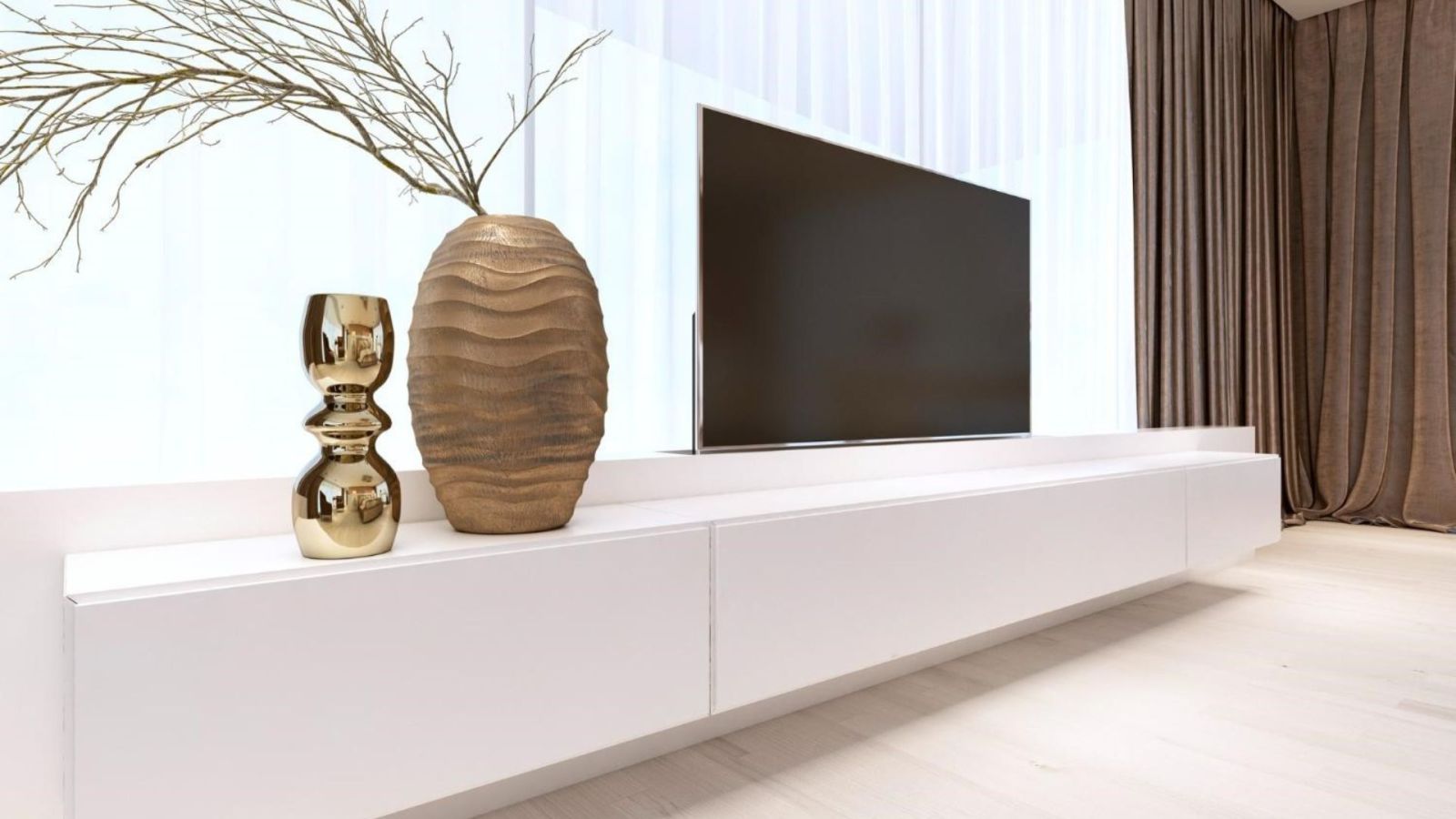
At this scale, the cabinet becomes part of the room’s architecture, so going bigger often creates a more balanced and intentional look.
Other Sizing Factors to Consider Before You Buy
Width is important, but it’s not the only measurement that matters. Keep these details in mind:
- Choose a height that aligns comfortably with eye level
- Ensure enough depth for consoles and soundbars
- Measure total wall space before selecting a length
- Check wall strength and weight limits for mounting
- Look for built-in cable management to keep wires hidden
A well-sized unit should feel both functional and stylish.
Styling Tips for the Right Proportions
Once you’ve chosen the right width, styling makes all the difference. Follow these simple steps to keep the proportions clean and balanced:
- Leave a little negative space around the TV so the wall doesn’t feel crowded.
- Add small decorative touches like plants, stacked books, or soft lighting to bring warmth to the setup.
- Match finishes to your floors or other furniture so everything feels cohesive, whether you prefer timber tones, gloss finishes, or matte textures.
- Keep surfaces mostly clear to avoid visual clutter.
- Let the simplicity stand out; the beauty of floating units lies in their clean, uncluttered look.
Choosing the right TV unit size is mostly about proportion. A bit of extra width, thoughtful storage, and balanced styling can transform the entire wall, turning your TV area into a feature rather than an afterthought.
Final Thoughts from Retro Designs
At Retro Designs, we know the right proportions can completely change the feel of a living room. When your floating TV unit is sized properly for your screen and your space, the setup looks cleaner, feels more balanced, and works better day to day. That’s why we curate and source floating units with these principles in mind, so you can choose with confidence and enjoy a streamlined look, practical storage, and a layout that feels intentional.